
Kigali has a relatively small but historically important museum scene. Its museums are particularly valuable because they do more than display objects. They talk about the story of Rwanda’s pre-colonial society, colonial experience, political history, the 1994 Genocide against the Tutsi, liberation and contemporary artistic identity.
For a visitor coming to Kigali for the first time, the museums that provide the strongest overall understanding of the city and country are the Kigali Genocide Memorial, Kandt House Museum, Rwanda Art Museum, Belgian Peacekeepers Memorial and Campaign Against Genocide Museum. Each covers a substantially different part of Rwanda’s history and culture.
Kigali Genocide Memorial
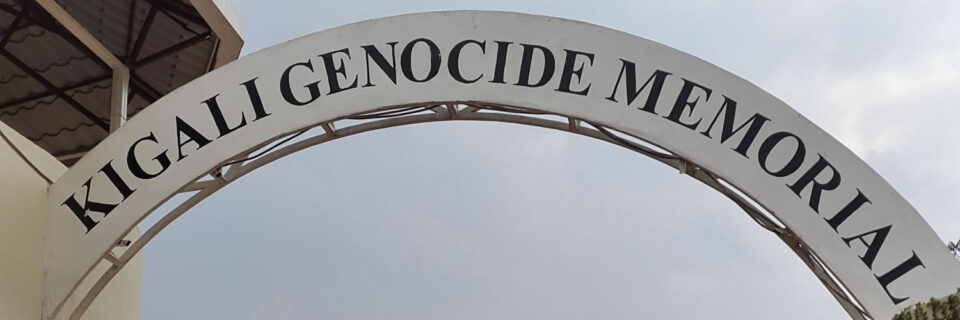
The Kigali Genocide Memorial in Gisozi is one of the most important places to visit in Kigali particularly for anyone seeking to understand Rwanda’s modern history. It is both a memorial and an educational institution and is the final resting place of approximately 250,000 victims of the 1994 Genocide against the Tutsi. The memorial’s exhibitions examine Rwanda’s history before the genocide, the circumstances and events of the genocide itself and the country’s subsequent efforts toward justice, reconciliation and renewal.
The principal exhibition, Genocide is organized around these historical stages and includes photographs, artifacts, sculptures and recorded eyewitness testimony. Other exhibitions examine genocide in a wider international context and commemorate children who were killed during the genocide. The memorial also contains the Genocide Archive of Rwanda which preserves documents, photographs, maps and testimonies relating to the genocide.
A visit here should be approached differently from an ordinary tourist attraction. The site includes mass graves and is a place of remembrance, so respectful behavior and appropriate dressing code are expected. The memorial recommends allowing at least 1 hour and 30 minutes for the visit although visitors interested in the exhibitions and archives can easily spend longer. Guided tours are available and many of the guides are survivors of the Genocide against the Tutsi.
For visitors who want to understand contemporary Rwanda, this is an especially significant stop because it provides historical context for many aspects of the country’s society and politics today. It is also important to remember that the memorial’s primary purpose is remembrance and education rather than entertainment.
Kandt House Museum
Kandt House Museum, located on KN 90 Street near central Kigali is particularly valuable for visitors who want to understand Rwanda before, during and immediately after the colonial period. The building was associated with Richard Kandt, a German colonial official and the museum was formerly known as the Natural History Museum. Its present exhibitions place Rwanda’s pre-colonial society and colonial experience within a broader historical narrative.
The museum is organized into three principal sections. The first looks at Rwandan life before colonial rule including social, economic and political organization under the monarchy. The second and largest section examines the colonial period including German rule, the First World War period and Richard Kandt’s activities in Rwanda. The third section focuses specifically on the history of Kigali itself including the area before colonialism, the establishment of Kigali as a capital and its subsequent development.
One unusual feature of Kandt House is its natural-history component. The museum retains a small collection of live reptiles including snakes and crocodiles, linking it to its former role as a natural-history museum.
Kandt House is particularly useful early in a Kigali itinerary because it gives visitors historical background that can make later visits more meaningful. After learning about Rwanda’s earlier political, social structures and the colonial period, visitors are better positioned to understand the major political transformations that occurred during the twentieth century.
Rwanda Art Museum
The Rwanda Art Museum located in Kanombe provides a very different experience from Kigali’s historical and memorial museums. The institution occupies what was formerly the Presidential Palace Museum and was transformed into the Rwanda Art Museum in 2018. Its exhibitions focus on contemporary art produced by Rwandan and international artists while also connecting contemporary artistic expression with Rwanda’s longer cultural development.
The museum is an especially useful destination for travelers who want to see Rwanda through creativity rather than concentrating exclusively on political history. Art can reveal aspects of identity, memory, culture and social change that are difficult to communicate through conventional historical displays. The museum’s purpose includes giving visitors an understanding of Rwandan creativity and the development of artistic expression from traditional forms to modern and contemporary work.
Its location is also convenient for some travelers because it is approximately 4 kilometers from Kigali International Airport. Consequently, it can be incorporated into an itinerary on the day of arrival or departure, provided sufficient time is allowed for transportation and the airport schedule.
The Rwanda Art Museum is therefore appropriate for visitors interested in African contemporary art, photography, visual culture and Rwanda’s changing cultural identity. It also provides a welcome contrast after visiting museums dealing with the more difficult aspects of Rwanda’s twentieth-century history.
Campaign Against Genocide Museum
The Campaign Against Genocide Museum is located within Rwanda’s Parliamentary building, close to the Kigali Convention Centre. It examines the military and political events surrounding the campaign that ended the 1994 Genocide against the Tutsi. The museum was officially opened in December 2017 and is housed in a building that had an important role during the country’s political transition.
The museum documents the role of the Rwandan Patriotic Front/Army during the 1994 conflict including the military campaign, efforts to rescue civilians and the eventual defeat of the genocidal forces. Its displays include historical photographs, military material and other documentation. The museum also has outdoor historical features including bunkers, trenches and monuments which give visitors a physical sense of the environment in which some of these events occurred.
This museum is particularly useful when considered alongside the Kigali Genocide Memorial because the two institutions approach the history from different angles. The Kigali Genocide Memorial places considerable emphasis on victims, remembrance, genocide education and reconciliation while the Campaign Against Genocide Museum concentrates much more on the military and political campaign that brought the genocide to an end. Visiting both can therefore provide a broader understanding of the events of 1994.
Belgian Peacekeepers Memorial
Although the Belgian Peacekeepers Memorial is more accurately regarded as a memorial site than a conventional museum, it is an important historical stop in Kigali. It commemorates the 10 Belgian UN peacekeepers who were killed during the 1994 genocide. The site helps visitors understand the international dimension of the crisis including the presence of the United Nations peacekeeping mission and the dangers faced by peacekeepers during the violence.
The memorial is considerably smaller than the Kigali Genocide Memorial and therefore it does not require several hours. Its value comes primarily from its historical significance and its ability to complement the larger exhibitions at the Kigali Genocide Memorial and Campaign Against Genocide Museum.
For visitors studying the international response to the genocide, the site can be particularly meaningful because it provides a physical location associated with the peacekeeping mission and the international community’s experience during the crisis.
If your Rwanda itinerary extends beyond the capital, there are other museums that are worth visiting and some of them include the following;
King’s Palace Museum: The King’s Palace Museum in Nyanza offers an opportunity to learn about Rwanda’s monarchy and pre-colonial traditions. The museum includes a reconstruction of a traditional royal residence with its distinctive beehive-shaped design and Inyambo, the long-horned cattle traditionally associated with the royal court.
Ethnographic Museum: This museum is located in Huye and focuses on Rwandan material culture and traditional life and is described as having one of Africa’s significant ethnographic collections. It is particularly valuable for visitors who want to understand traditional Rwandan society.
