
Around Nyaza and Huye
Huye, the colonial capital of Rwanda, is home to museums and other historical sites that show- cases Rwandans Cultural and Historical values. The city boasts a number of places to visit: Ethnographic Museum, one of six Museums that make up the Institute of National Museums of Rwanda (INMR), the Memorial at Murambi, the largest Roman Catholic Cathedral built 1930s, Ruhande Arboretum and more.
The Ethnographic Museum, was inaugurated in 1089 and houses one of Africa’s finest ethnographic collections, shown in its seven rooms, displaying historical, both per-colonial and colonial artisticone and archaeological artifacts, giving all visitors a rich insight into the Rwanda culture.
King Rudahingwa’s 1931 Palace
The residence of King Mutare III Rudahingwa, still stands as it did when during the kings stay. This Palace gives visitors a glimpse into how the Rwandan King lived. And on the neighboring hill Mwima, one can visit the King Mutara III and his wife Queen Rosalie Gicanda Burial site.
Nyanza Genocide Memorial stands in memory of the killings that took place at the Ecole Technique Officially.
Rwesero Arts Museum
The museum was originally built by King Mutara III Rudahingwa as his new home, however he passed away before occupying it. Now it displays contemporary Rwandan artwork which testifies to the originality of Rwanda creativity, while not overlooking either tradition or National history.
Murambi Genocide Memorial Center, is located in an old secondary school near the town of Gikongoro in the south west section of Rwanda approximately 30 minutes with car from the Institute of National Museums of Rwanda (INMR) in Huye.
Around Karongi in the Western Province
The environment museum in Kibuye along the shore of Lake Kivu is said to open in March 2012, this museum will hold temporarily displays of environment changes in Rwanda and around the world.
Bisesero Genocide Memorial
Once a community church on a hill with magnificent views of Lake Kivu, about 30km from Kibuye. This hill, has been renamed the hill of ‘Resistance’ in memory of the 11,000 Tutsis who assembled here to protect themselves from the massacre. Many managed to fight back and survive for a while, while others escaped. There are 9 buildings on the site, representing the 9 communities that made up the province of Kibuye.
Around Kigali
Camp Kigali
This camp memorializes the massacre of 10 Belgians UN Blue Berets on the first day of the genocide in 1994. Today, this camp hosts a small museum and a memorial stone pillar for each soldier.
Librare Ikirezi, the first public library in Rwanda. It houses the largest selection of books written on the Rwandan genocide.
The National History Museum or Kandt House
This Museum is dedicated to Richard Kandt a German doctor and explorer who explored Rwanda in 1897, searching for the source of the Nile. The museum aims to explain the interdependency between living beings and their environment, suggesting that it is only through knowledge of the environment that our behavior will change toward it. This museum showcases his work and many natural wonders of the country.
The Gisozi/ Kigali Memorial Center
Is a memorial ground where over 250,000 people are buried. Inaugurated in April 2004, on the 10th anniversary of the Rwandan Genocide. The center was created in partnership between the Kigali city council and the Aegis Trust, a UK based genocide prevention organization. There is a children’s memorial and exhibition on the history of genocide violence around the world.
Presidential Palace Museum
It is located 40 kilometers from Kanombe Airport the residence of formal president of Rwanda J. Hayarimana 1973 – 1994. This museum is mainly known for the flight debris which are the remains of the presidential plane that went down on the 6th of April 1994.
Nyamata and Ntarama Genocide Memories
They are scenes of some of the most brutal massacres in Rwanda. Both are located about 30km south of Kigali, in Bugasera region but are easily reachable by a newly paved road.
Rebero Memorial
Rebero Memorila stands as a tribute to the victms of the genocide perpetrated against Tutsi who were massacred after being abandoned by UN troops at ETO Kicukiro. Thousands of victims of the genocide are buried here including 12 politicians who were killed for standing up to the genocidal government in 1994. The politicians buried here strived for human rights, justice, unity and development and democracy. Since the 1994 genocide, these are the very principles that have ge\\uided the rebuilding of Rwanda
In the Eastern Province
The Nyarubuye Genocide Memorial
It is located 35 kilometers from Kibungo in the Kirehe district, stands in memory of the violence that took place on 14 and 15th of April where more than 20,000 people were killed. Preserved at this site in the nunnery buildings are victims remains like clothes, dishes and human bones.
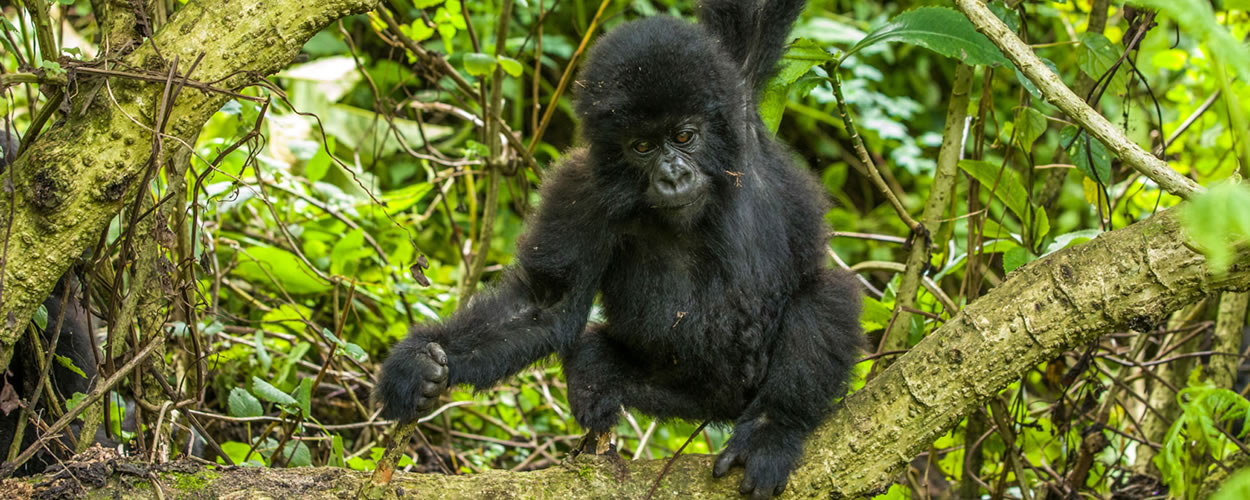
Other than the museums, you can choose to trek gorillas in volcanoes National Park, a prominent protected area in the Virunga massif.
